A blog promoting 'participation as empowerment' with the perspective of making democracy work for all, every day - within families, communities, institutions, and political systems
A tribute to Comrade Damodar Thankappan, reflecting on over four decades of friendship, solidarity, and shared work with PRIA. From textile workers’ struggles and occupational health to construction workers’ rights and workers’ cooperatives, the blog celebrates his lifelong commitment to workers’ dignity, leadership, and collective action.
In this blog, Dr. Bandyopadhyay reflects on rethinking monitoring and evaluation in development practice. Drawing on his experience with participatory networks, he explores how organisations can move beyond compliance-driven reporting towards listening, collective learning, adaptation, accountability, and cultures that enable honest reflection.
This blog, by Dr. Anshuman Karol, explores why the future of higher education depends on community-engaged research, global collaboration, and knowledge democracy. It highlights how Community-Based Participatory Research enables universities and communities to co-create solutions for today's interconnected social and environmental challenges.
EpiNet: Education, Epistemic Justice and the Knowledge Commons
Reflecting on conversations at the Silver Jubilee of APMAS, Dr. Rajesh Tandon revisits five decades of collaboration between civil society and government institutions. Drawing on experiences from education policy, participatory planning, Panchayati Raj, and voter awareness initiatives, he highlights how mutual respect and shared expertise have been the foundation of impactful partnerships.
This blog explores the importance of implementing all four pillars of UNESCO's Open Science framework, highlighting how community and Indigenous knowledge, participatory research, and equitable partnerships are essential for advancing climate resilience, knowledge democracy, and sustainable, locally driven solutions.
This reflection on the Reimagining Civil Society podcast episode, “Learning for Self-Care: Preventive Health,” highlights the vital role of civil society organizations in advancing community-led health initiatives. Featuring insights from Dr. Rajesh Tandon, it emphasizes preventive healthcare, local knowledge, and grassroots action as essential pathways toward healthier, more resilient communities.
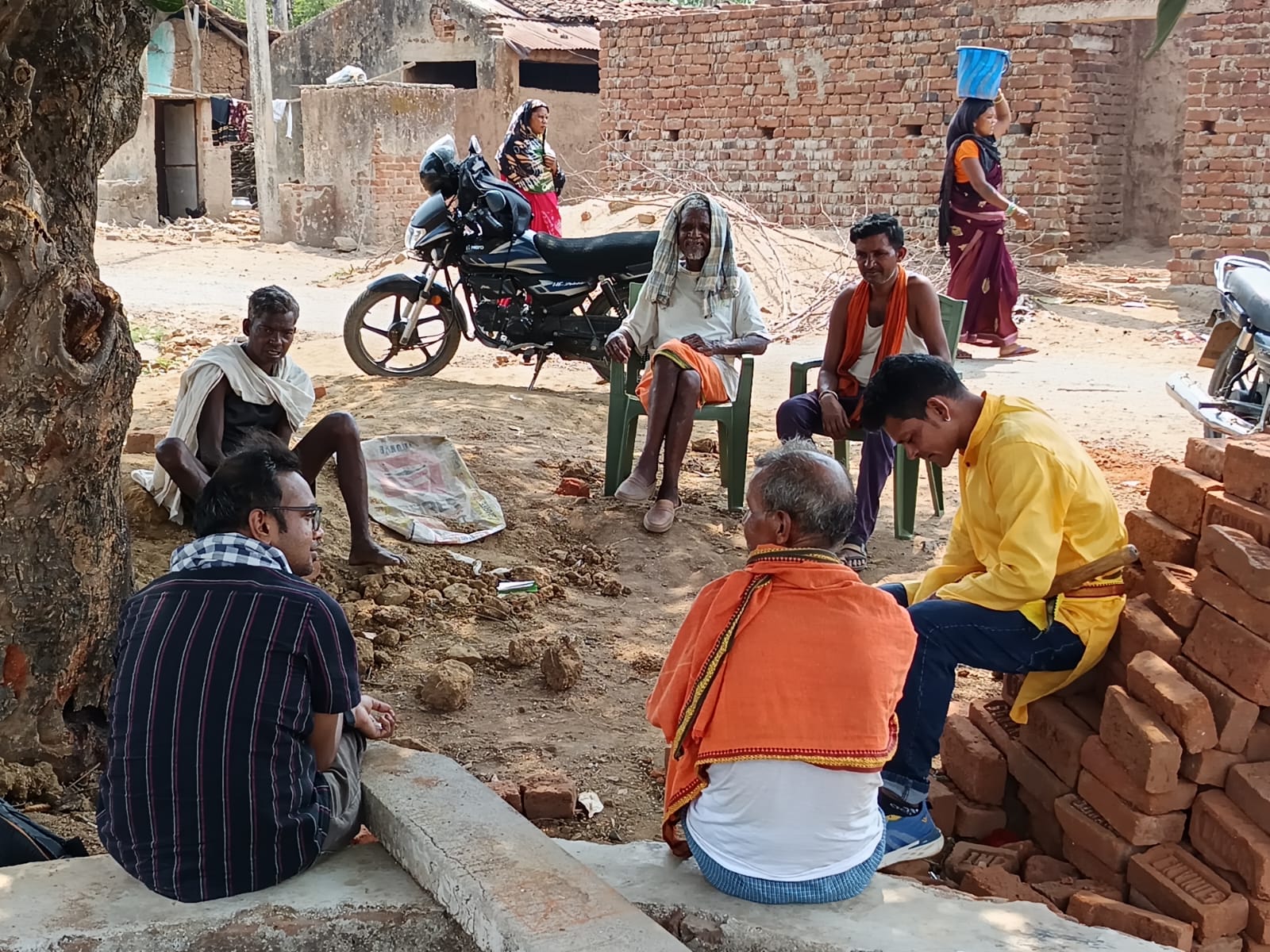
Between Knowledge and Development: Reflections on Change Among the Korwa (PVTG) of Garhwa, Jharkhand
This reflective blog explores the changing realities of the Korwa, a Particularly Vulnerable Tribal Group (PVTG) in Garhwa, Jharkhand. Through conversations with community members, it examines the intersection of development, education, traditional knowledge, and cultural identity, highlighting the need to value Indigenous knowledge systems alongside modern development pathways.
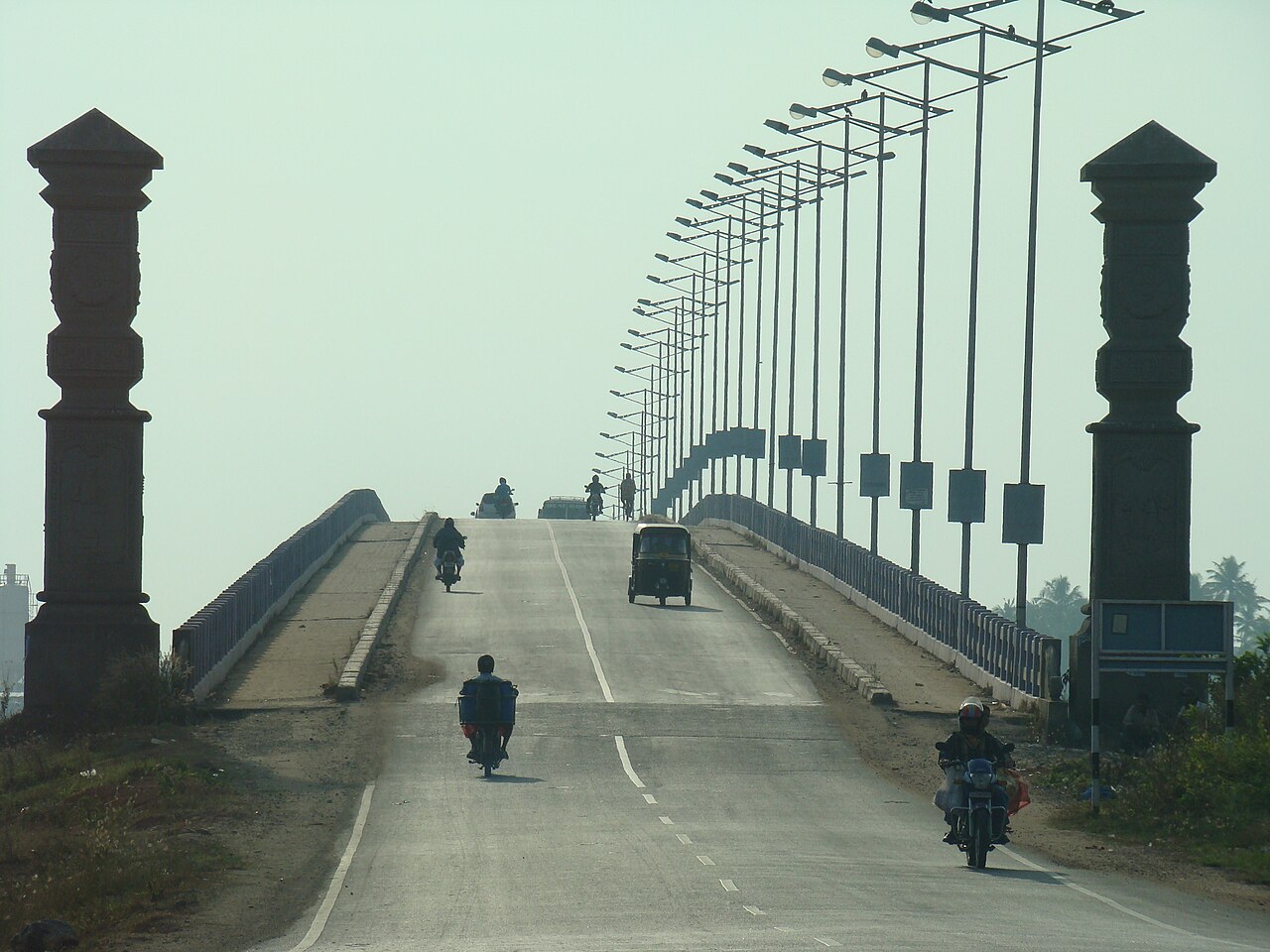
This blog explores mobility challenges faced by women in Vypin, Kochi, highlighting how infrastructure alone does not ensure equitable access. It underscores the need to integrate participatory approaches with implementation for inclusive and meaningful development outcomes.
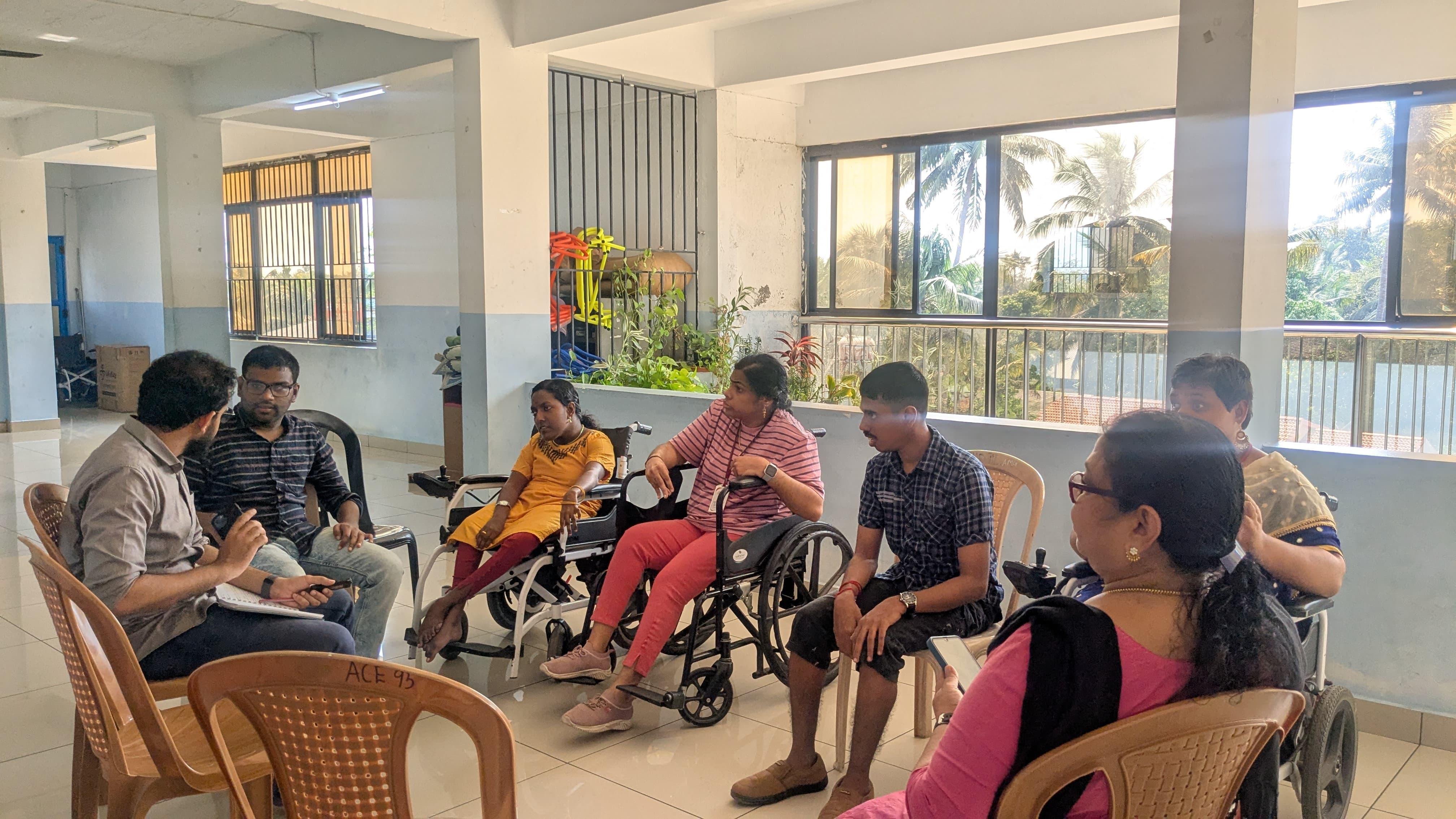
Insights from participatory research across Kochi, Bengaluru, and Ahmedabad reveal that disability-inclusive mobility demands far more than infrastructure compliance. It requires recognising the diversity of disabilities, the intersecting barriers of gender and class, and the wisdom that communities hold in identifying practical solutions.
This blog, written by our intern Kush Rastogi, a B.A. English (Hons) student at Amity University, Noida, reflects on Dr. Rajesh Tandon’s podcast 'Reimagining Civil Society'. It captures powerful stories of literacy movements in India, highlighting civil society’s role in empowerment, innovation, and inclusive education.
India’s Gram Panchayats today govern at a time of profound transition. Climate change is intensifying floods, droughts, and heat stress, public health risks such as water-borne diseases are becoming more frequent, rural youth migration is hollowing out local economies and digital systems are expanding faster than local capacities to use them meaningfully.
Across India today, a major shift is taking place in how universities think about knowledge, learning, and their role in society. The National Education Policy 2020 calls on higher education institutions to step outside their walls and engage deeply with communities
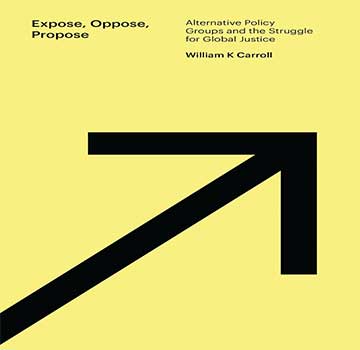
This reflection revisits William K. Carroll’s *Expose, Oppose, Propose*, exploring the role of civil society, knowledge production, and Transnational Alternative Policy Groups in confronting global inequality, ecological crises, and democratic decline. Drawing on a discussion at PRIA, it highlights the need for community-led alternatives, critical dialogue, and transformative action toward a more just and democratic future.
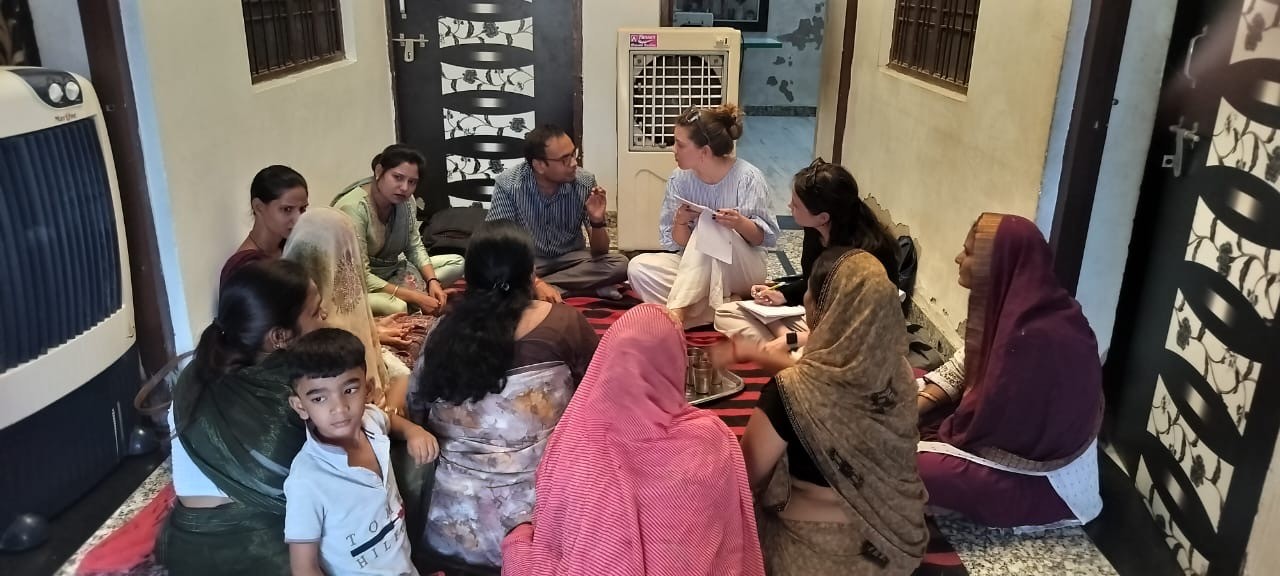
A six-week research internship with PRIA in Delhi offered immersive fieldwork on gender and water access, highlighting women's resilience and the importance of community-led solutions in informal settlements.
.png)
.png)
.png)
.png)
.png)
.png)

.jpg)